
Benefits of standing

Physical health and development:
The impact of standing
The purposes of using a standing frame vary depending on the individual needs. A standing frame is typically designed to support a prone or supine standing position. It often provides support at the feet, knees, hips and trunk, enabling the child to remain upright in a weight-bearing position against gravity. Standing frames are commonly used to address or improve various physical aspects, such as enhancing bone strength, preventing tightness and contractures, maintaining lower extremity range of motion, reducing spasticity and supporting hip development.
For typically developing children, standing upright allows for weight-bearing, which strengthens bones by applying gentle stress and pressure. This pressure prompts the body to build more bone tissue, increasing bone density and reducing the risk of fractures. Children who are unable to stand and bear weight do not naturally experience these benefits. However, supported standing can provide these children with opportunities for weight-bearing, potentially offering similar advantages to those experienced by their typically developing peers. Additionally, standing upright for extended periods may help to reduce muscle tightness and contractures in the hips, knees and ankles, which can aid in maintaining lower extremity range of motion. Preserving range of motion supports other goals, such as enabling standing transfers, continuing weight-bearing to strengthen bones and minimizing asymmetries during lying and sitting positions. Addressing asymmetries is crucial, as they are linked to complications such as pain, windswept hips, and scoliosis.

Standing frames are also used to reduce spasticity or tone in the legs. They may positively influence head and trunk control and could potentially improve various functions, such as postural support, visual skills, upper limb coordination and oral motor skills. Supported standing provides stable trunk support, making fine motor tasks easier to perform and allowing children to engage in activities without focusing on maintaining balance and posture. Over time, consistent use of a standing frame may also enhance the child’s overall ability to stand.
Children with disabilities often spend significant time sitting, which can negatively impact cardiovascular health. Standing offers a way to break up prolonged sitting and serves as a form of exercise for wheelchair users, especially when combined with activities. For example, playing ball or keeping a balloon in the air while standing can increase energy use and make movement enjoyable. Additionally, standing and increased activity may positively affect bladder and bowel function.
Abduction and hip development
Some standing frames allow for children to stand in abduction. Standing in abduction appears to reduce the risk of hip migration by promoting hip joint stability. This position applies force to the acetabular growth plate, encouraging joint development, particularly during early childhood when bones are most malleable.
Additionally, standing in abduction helps to preserve the length of adductors and hamstrings, reducing the risk of contractures and supporting overall hip health.

Social and emotional growth through standing
Standing impacts more than physical health – it can transform how children feel about themselves and interact with others. For children living with disabilities, standing can break down barriers to participation, boosting self-esteem and emotional well-being.
Being at eye level with peers makes it easier to join conversations, play and engage in group activities, fostering a sense of belonging. Social interactions during standing encourage the development of friendships, identity and values such as kindness and empathy.
Standing also introduces children to new environments and sensory experiences, promoting mental development by forming new neural connections. These interactions help children to learn routines, habits and social behaviours, shaping their confidence and identity.

Making standing meaningful
For a child to truly benefit from using a standing frame, it must be engaging and meaningful. How and when they stand matters. If standing becomes just another task, it can feel boring, frustrating or even pointless. But when the activity is meaningful and engaging, standing can become a positive and enjoyable part of their day. Children are naturally curious and motivated by activities that interest them. Motivation grows when they feel capable, have choices and connect with others. For example, a child who loves drawing might enjoy standing more if they can use a tray to sketch while upright. Another child might be excited to stand if it means helping to stir pancake batter or playing a board game with family. When standing aligns with a child’s personal goals and interests, it becomes more than just a task, it becomes an opportunity for joy and growth.
Motivated children are more likely to explore, try new things and participate in social and educational activities. This kind of engagement supports both cognitive and emotional development, while also building confidence and a sense of ownership over their progress. Confidence is key to fostering independence. When children experience success, no matter how small, they begin to believe in their own abilities. This belief encourages them to take the initiative, try new things and manage tasks on their own.
Standing also provides opportunities for social interaction and guided participation, which are essential for developing independence and life skills. When children take part in activities such as cooking, playing with peers or participating in classroom tasks, they learn how to make choices, take initiative and contribute meaningfully to their environment. These experiences help children transition from being passive recipients of care to active participants in their own lives. By combining motivation, meaningful activities and opportunities for participation, standing can become a powerful tool for building both confidence and independence.

R82 Addax
The R82 Addax is versatile, multi-adjustable standing frame designed to support children in prone and supine setups.
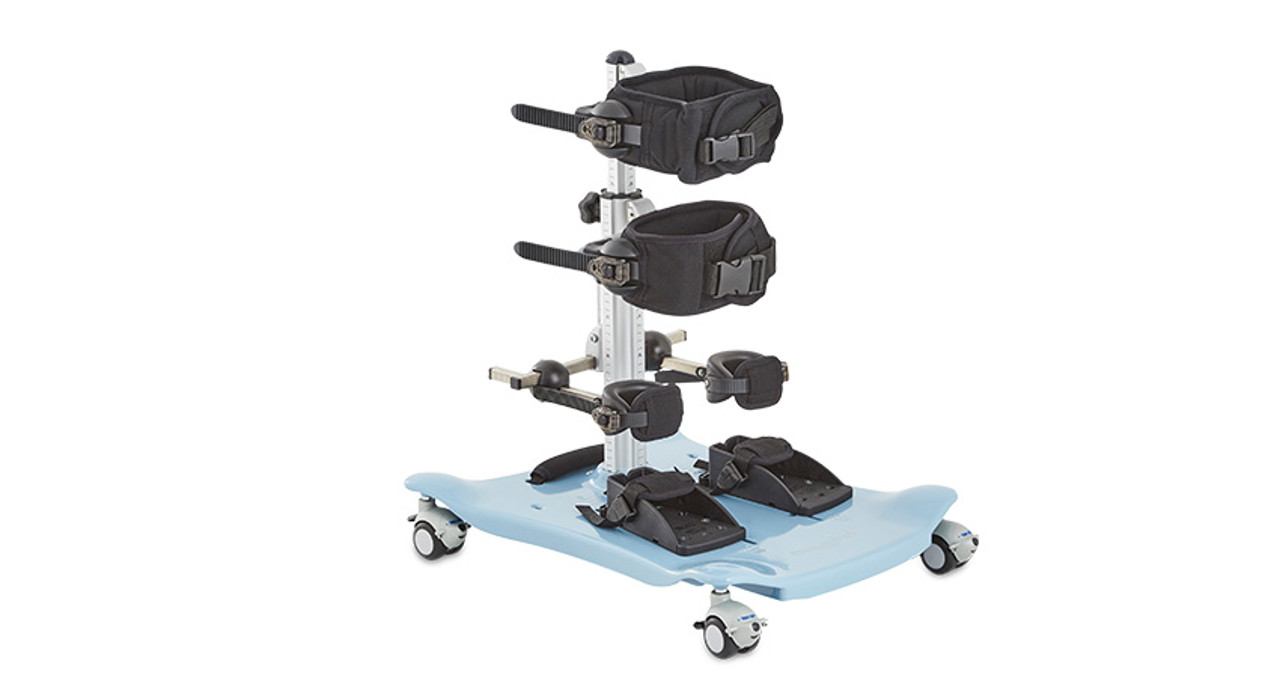
R82 Meerkat
The Meerkat is a simple upright standing frame with adjustable support for feet, knees, pelvis and chest.
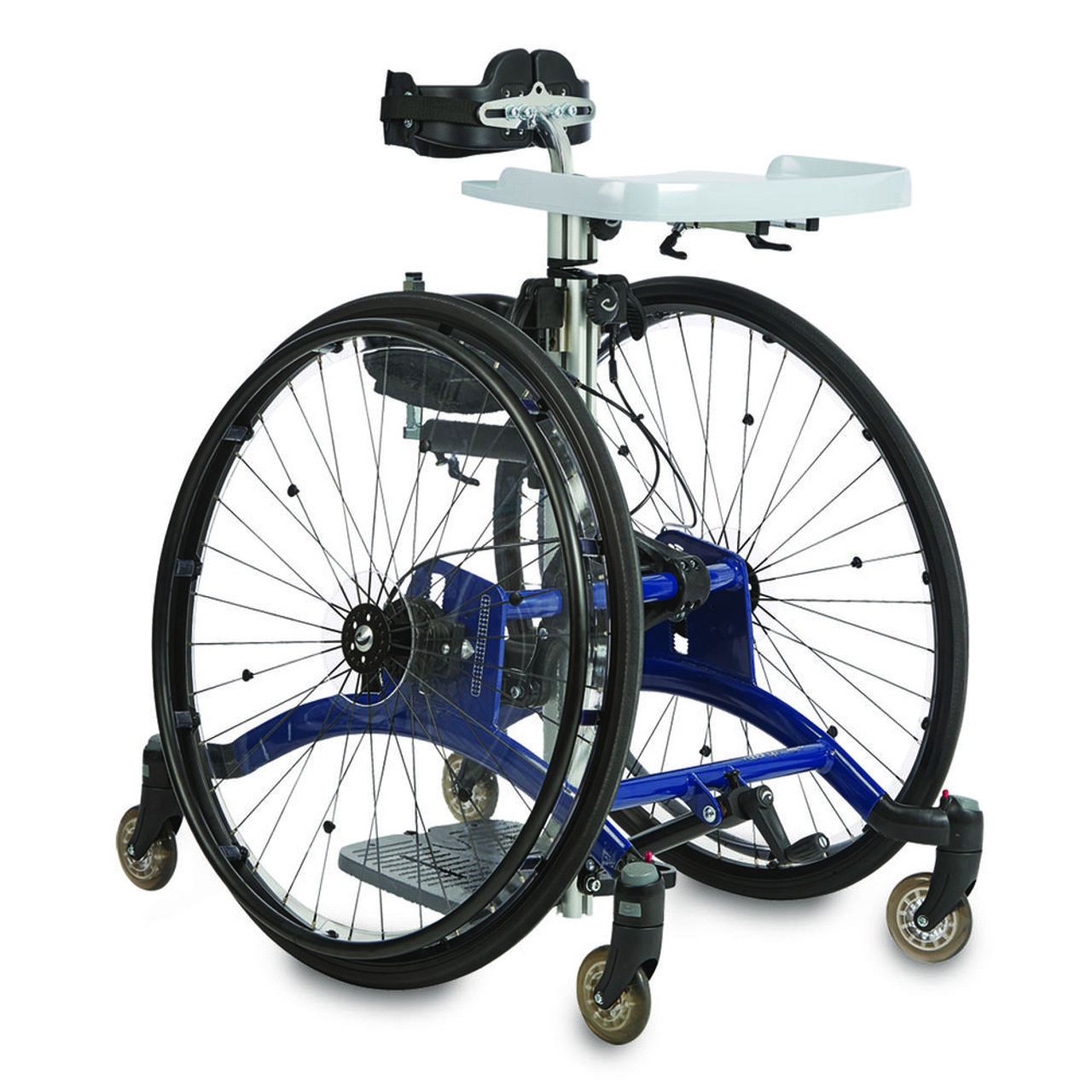
R82 Rabbit Up
The Rabbit Up is a truly adaptable stander. It is secure, reliable and adjustable, while also offering the independence to explore using the optional driving, quick release wheels.
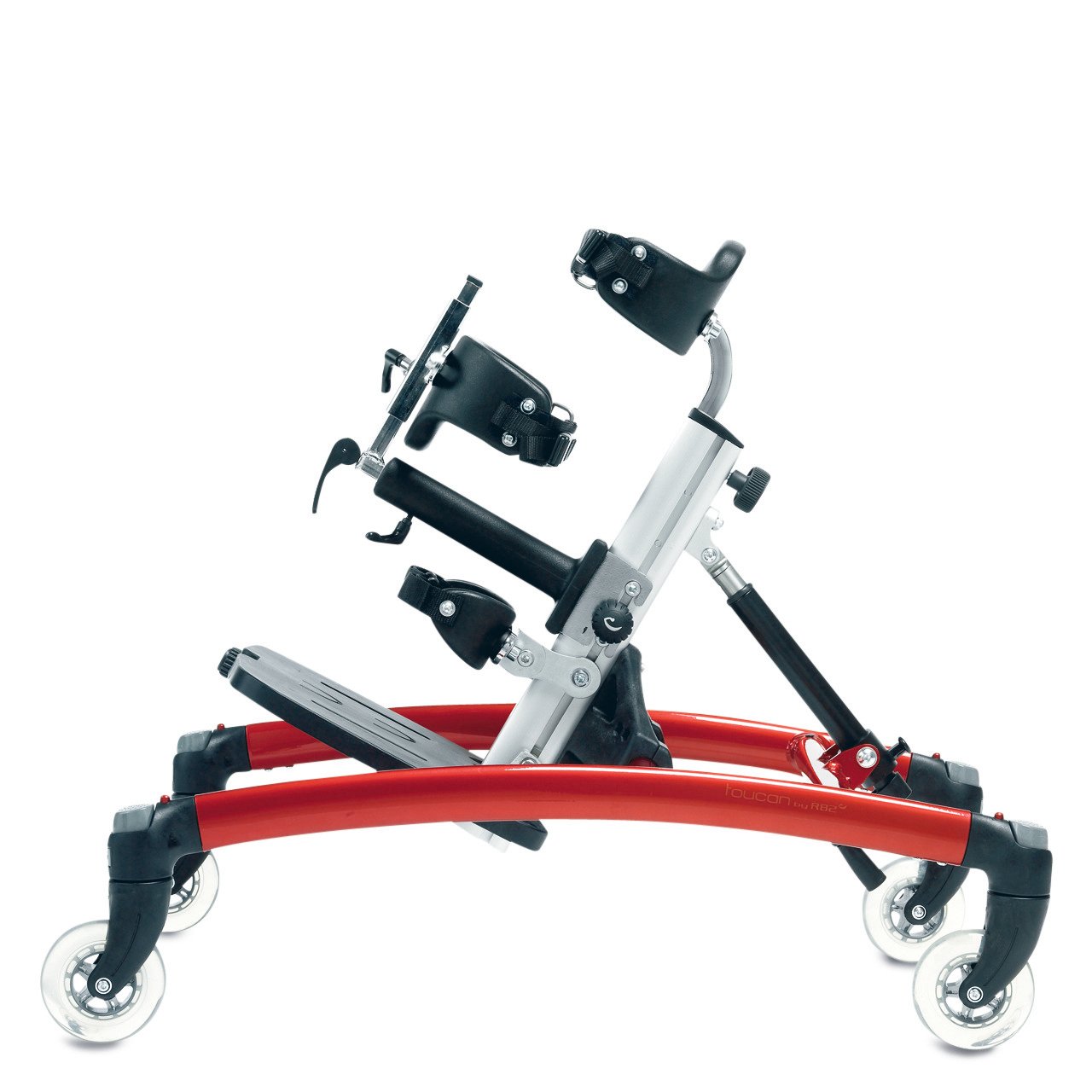
R82 Toucan
The Toucan standing frame comes with soft curves and smart colours. It is designed to support the user in the upright and prone position.
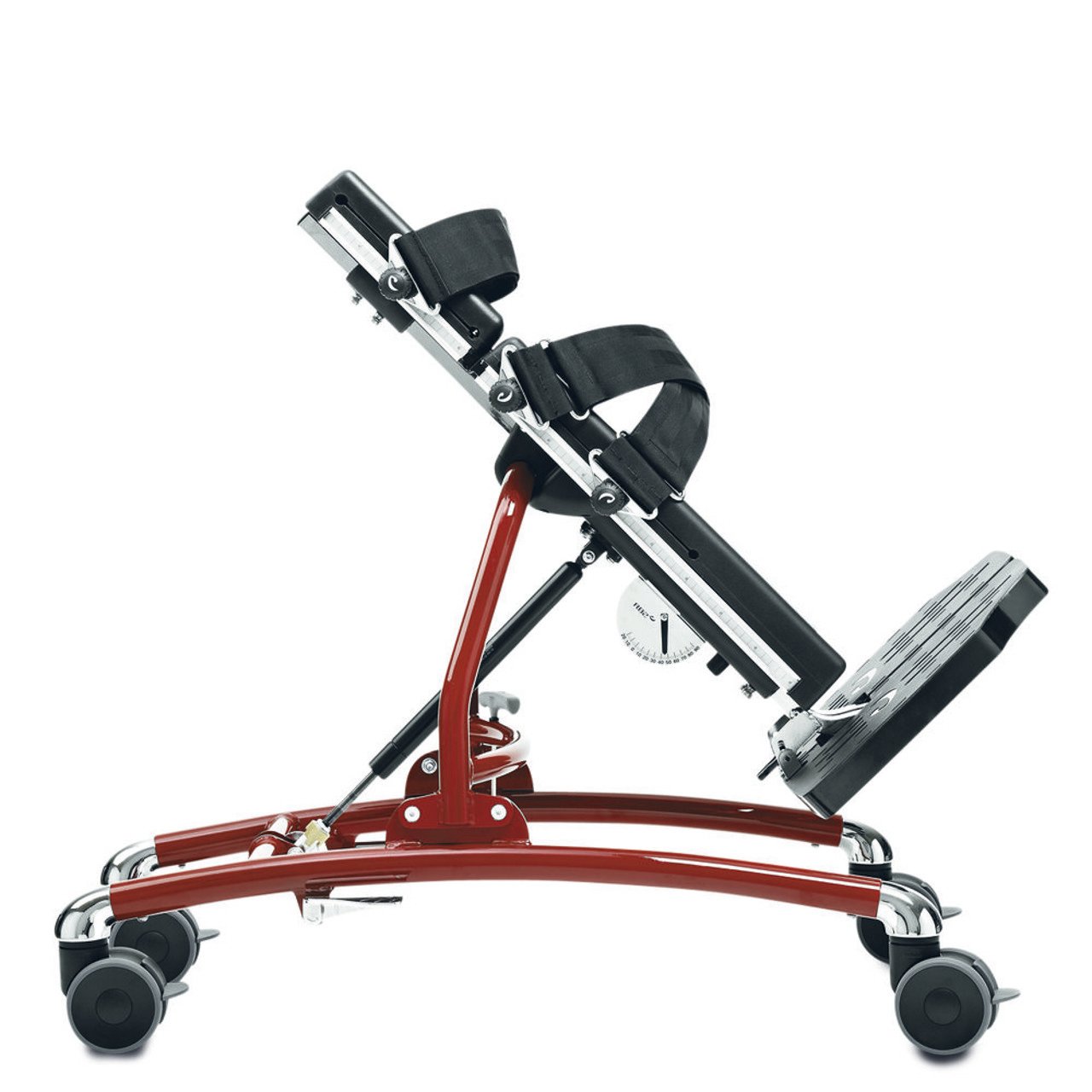
R82 Caribou
The Caribou is a standing frame that supports a prone or supine standing position.
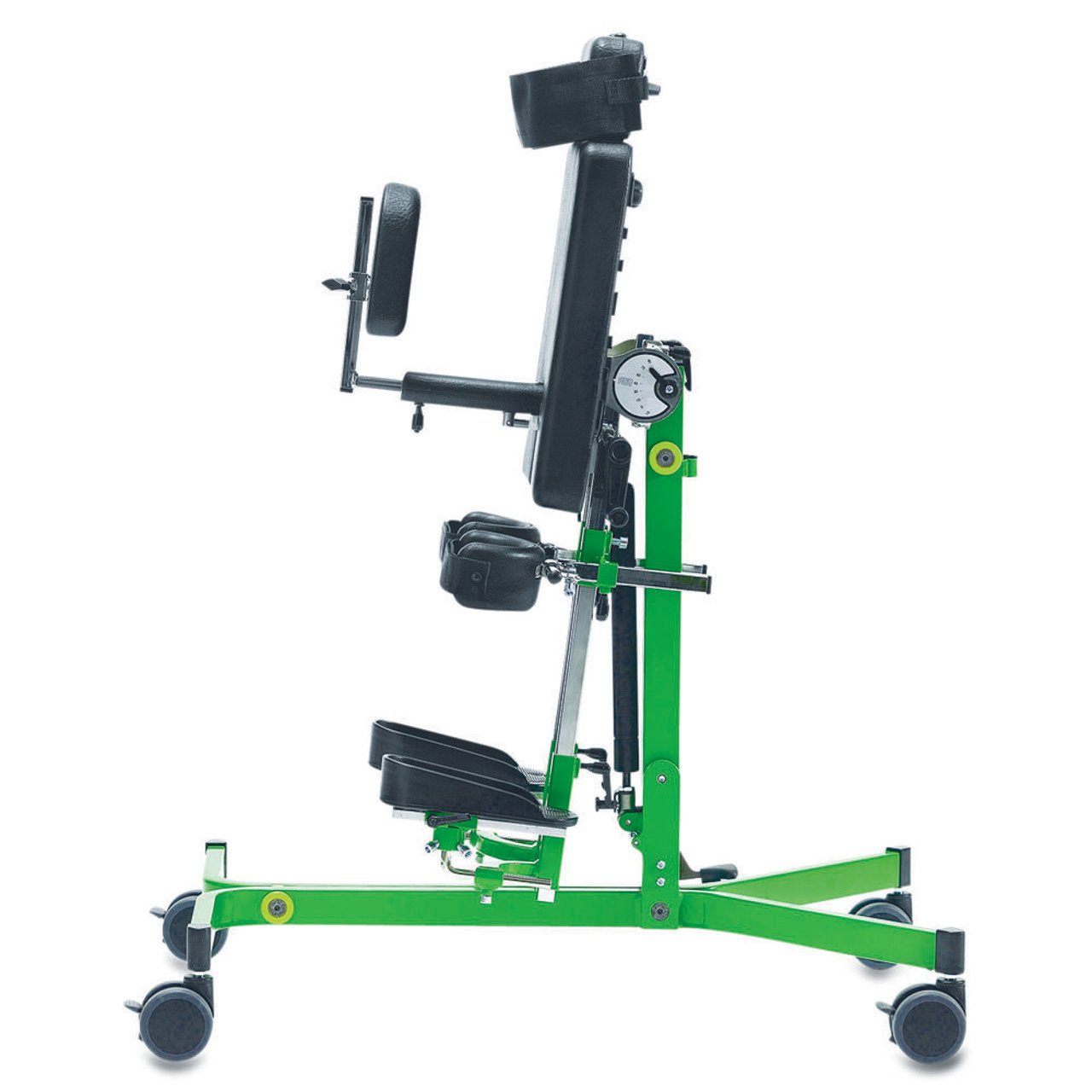
R82 Gazelle PS
Gazelle PS stands for Prone and Supine which means it can be used by children who need to be supported on their fronts or backs