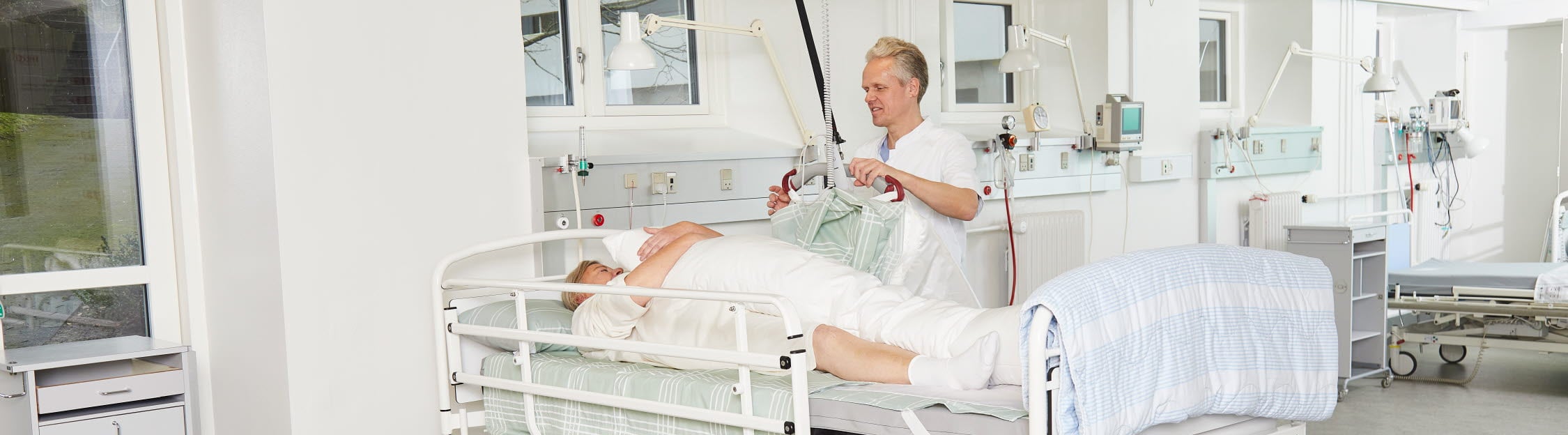
Preventing work-related injuries
There is broad agreement across studies that the physical demands of using a friction-reducing device are lower than those of using a traditional cotton draw sheet to reposition a patient. Recent data from the global risk consulting company AON suggest that nearly twice as many healthcare workers are injured when repositioning patients as when transferring them between beds or chairs. These activities include repositioning patients in bed (boosting), lateral repositioning, and turning (Wiggermann, 2021).
When patients’ impairments are severe, they may require substantial, sometimes total, assistance from caregivers. Across care settings – including hospitals, long-term care, home care, and community care – such assistance can be stressful for those providing it and put them at considerable risk of injury. The association between positioning horizontal devices and reduced pull forces is beyond contention (Omura, 2019; Weiner, 2016; Wiggermann, 2021; Bohannon, 1999). Several studies support this conclusion and suggest that using a sliding sheet can substantially reduce caregiver burden during patient repositioning (Omura, 2019; Baptiste-McKinney, 2018; Garg, 2012).
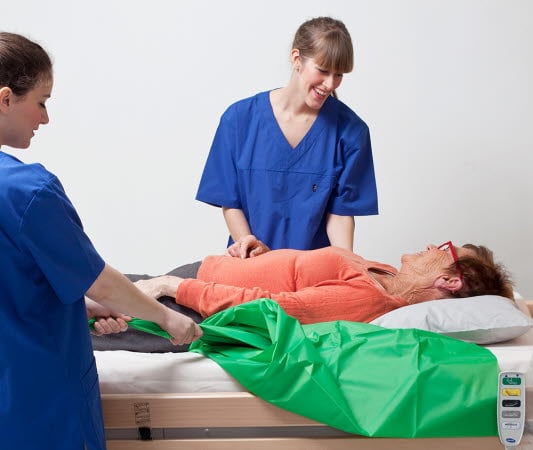
Immedia MultiGlide & MultiGlide SPU
A study investigated the peak force required for boosting and found that it was, on average, 38.1% lower with slide film than with regular sheet film, and the impulse of force was, on average, 40.6% lower (Muona, 2022).
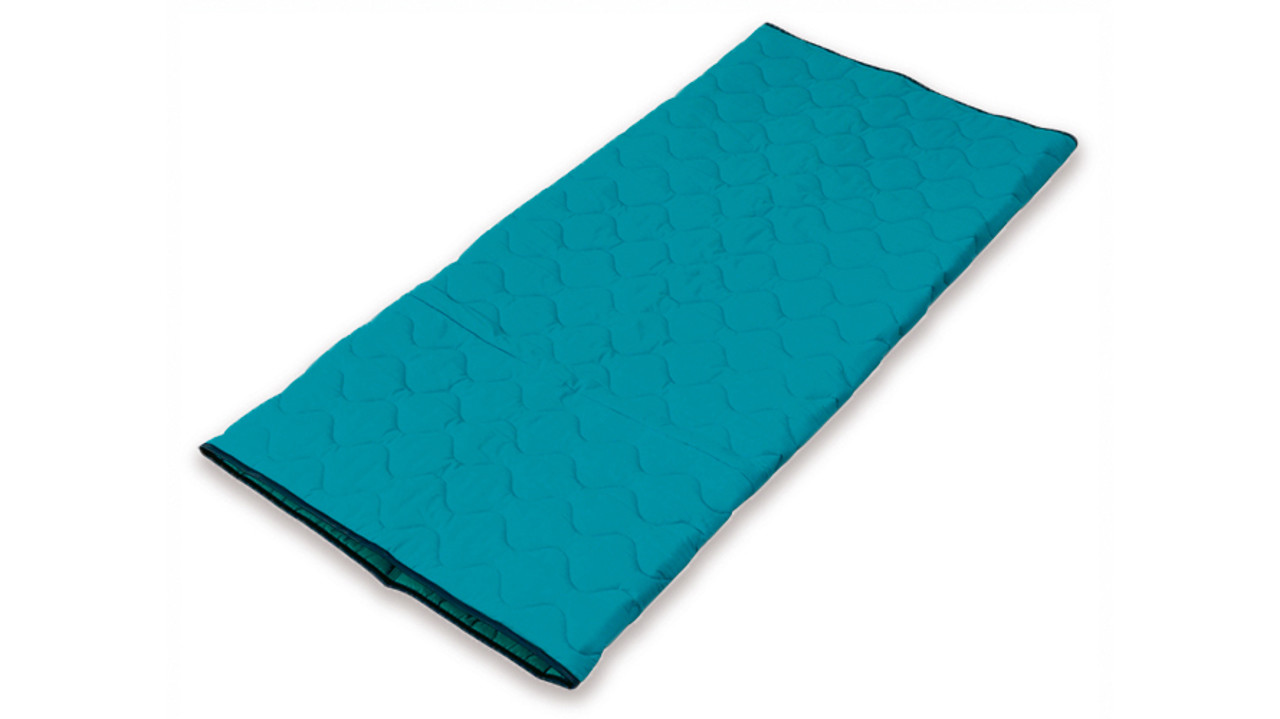
Immedia GlideCushion & TurningMattress
British regulations, based on the European directive on manual handling of loads, require employers to reduce the risk of injury to employees where manual handling is unavoidable. The use of handling aids is given as one example of how this may be achieved.
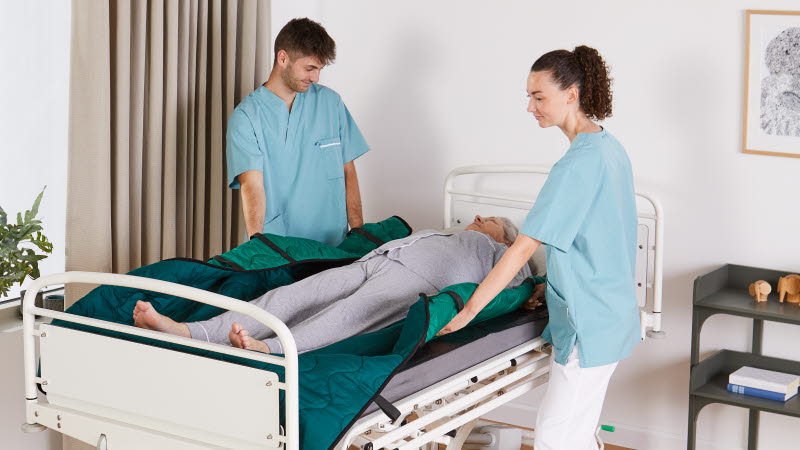
Immedia 4WayGlide & TwinSheet4Glide
Studies found that using friction-reducing slide sheets produces less internal spinal load than traditional cotton sheets.
One study showed that when moving the patient towards the head of the bed, the compressive force in the L5–S1 joint is 6500 N, and that with small aids, the average peak force was 2000–3000 N.
Lower-friction sheets, similar to 4WayGlide and TwinSheet4Glide, made repositioning patients easier because less force was required. (Muona, 2022)
Turning devices improve ergonomics
A high-quality study found that peak trunk and shoulder flexion angles differed significantly between patient-turning devices during patient-turning tasks toward and away. Turning devices showed significantly less muscle activity in the biceps, triceps, and left/right erector spinae than when no assistive device was used.