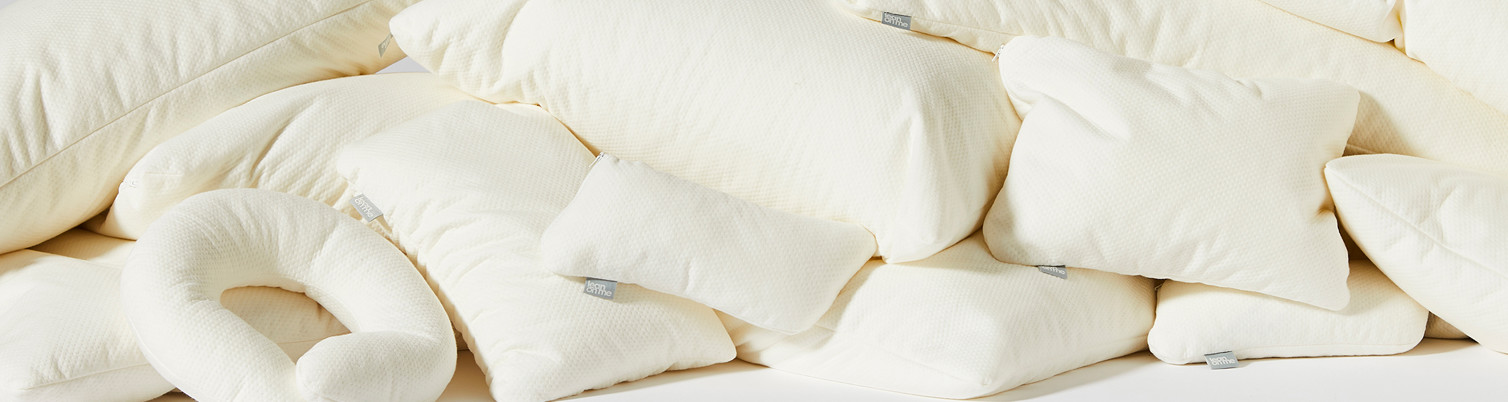
Support positioning, reduce risk of pressure injury and enhance well-being
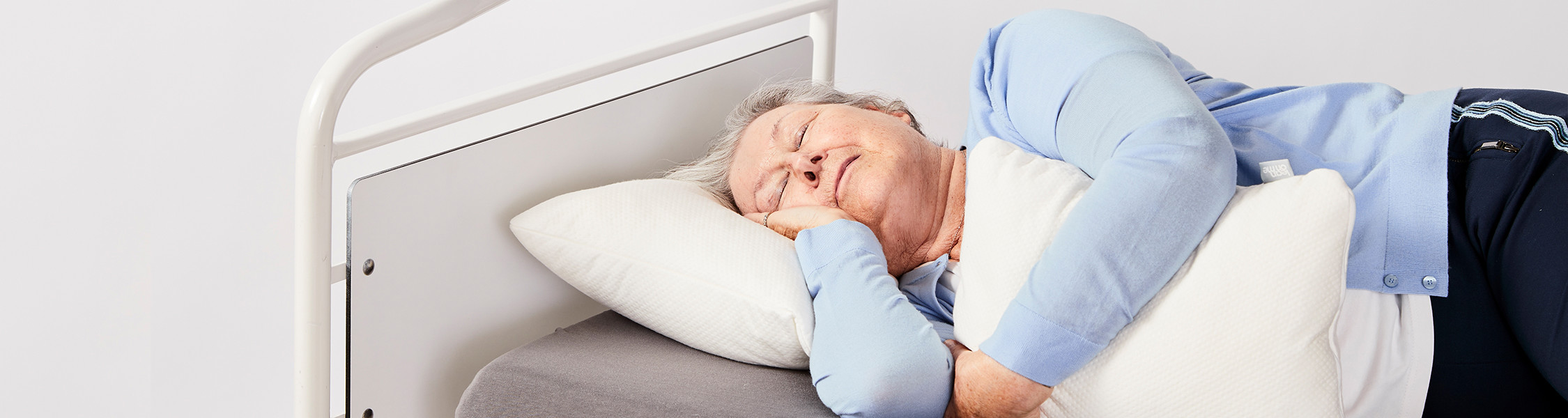
How to use LeanOnMe positioning cushions
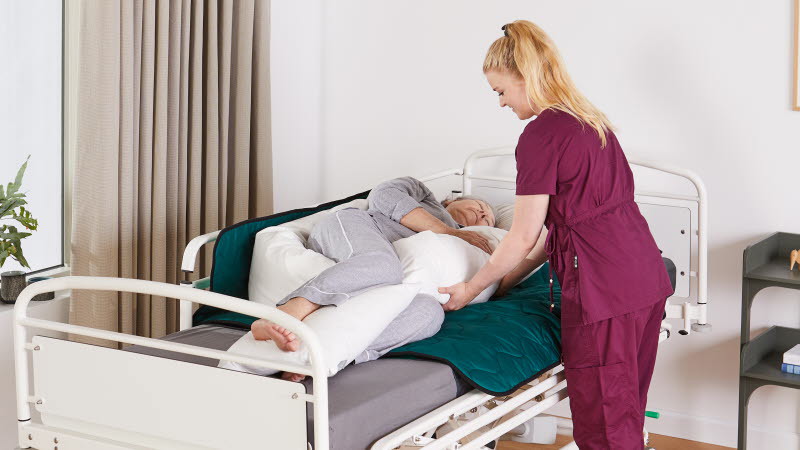

The importance of positioning
Healthcare workers are now fully aware of the importance of minimising pressure and shear by maintaining an appropriate resting position 24 hours a day, 7 days a week. This awareness further helps promote respiration and rest, both of which are vital for rehabilitation and overall well-being.
At the same time, appropriate positioning can help reduce joint stiffness, pain, and pressure injuries. LeanOnMe offers a wide range of multipurpose positioning cushions, which can contribute to a better life quality through:
- reducing risk of pressure injury
- relieving pain perception
- reducing risk of joint stiffness
- relieving oedema by elevation
- facilitating respiration by supported positioning
How to use
Immedia LeanOnMe is to be used when there is a need to support the body or protect exposed body parts when positioning a person who is unable to do micro and macro movements.
Especially the following individuals are at risk of pressure ulcers: bedfast, mobility limited, presence of Stage 1 or existing pressure ulcer, decreased perfusion, increased moisture and/or body temperature, poor nutritional status, advanced age, poor sensory perception, and general degraded health status.
Reducing the risk of pressure injury
It is widely accepted that repositioning users at risk of pressure ulceration can reduce the risk of this by redistributing pressure away from the vulnerable area.
The following should be included in every skin assessment:
- skin temperature
- oedema, and any change in tissue consistency compared to the surrounding tissue.
When the individual can respond reliably, it is advisable to ask them to identify any areas of discomfort or pain that might be caused by pressure injury.
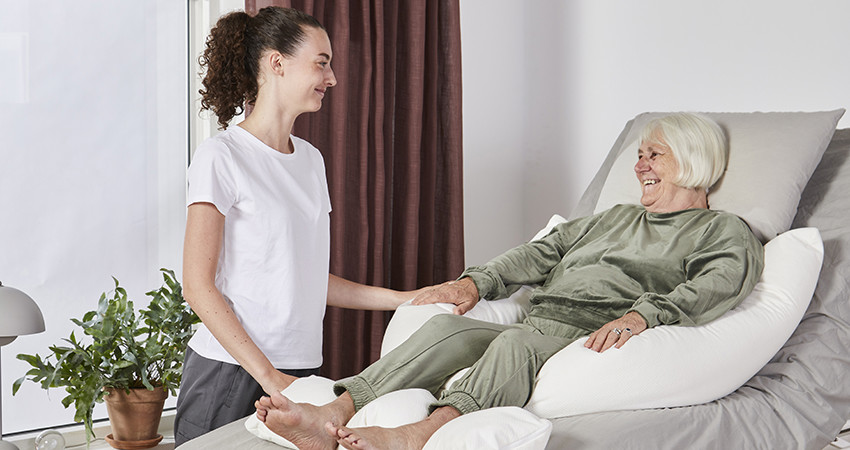

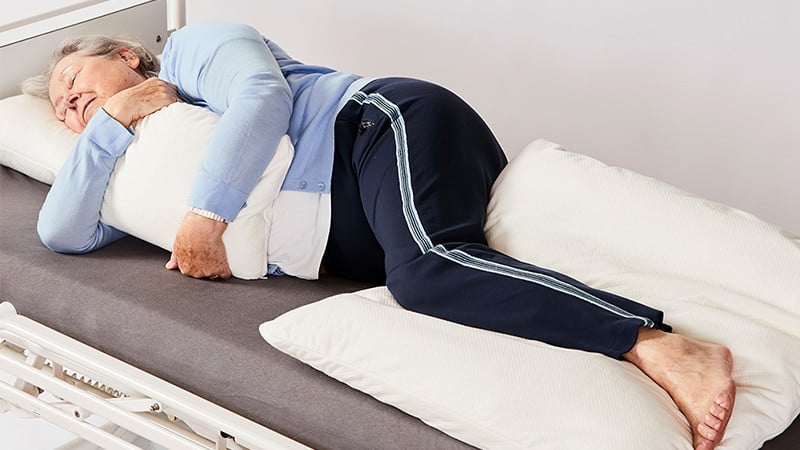

Pain – Relieve and enclose
A bedridden person is often distressed and in pain; either due to trauma or complications of reduced blood flow such as pressure ulcers, contractures, ischemia, or edema. The carer must observe the immobile person, and make sure that the facial expressions show signs of well-being before the repositioning is completed - and to determine if it is time for the next position.
It is also possible to reduce pain and discomfort through sensory stimulation. An enclosing position increases the body awareness through the sense of touch, which causes the level of the stress-reducing hormone Oxytocin to rise.
Spasticity and contractures – Prophylactic support
If a person is bedridden due to brain injury it is important to prevent spasticity, which often is a comorbidity. The spasticity is controlled by positioning the person in positions that are opposite to the spasticity pattern.
After just a few days of immobility, the consequences of lack of movement will appear in the muscles and joints. This can cause contractures, which are painful and will impede the persons mobility. A supporting and stable position will provide comfort and better rest, which is important for rehabilitation.
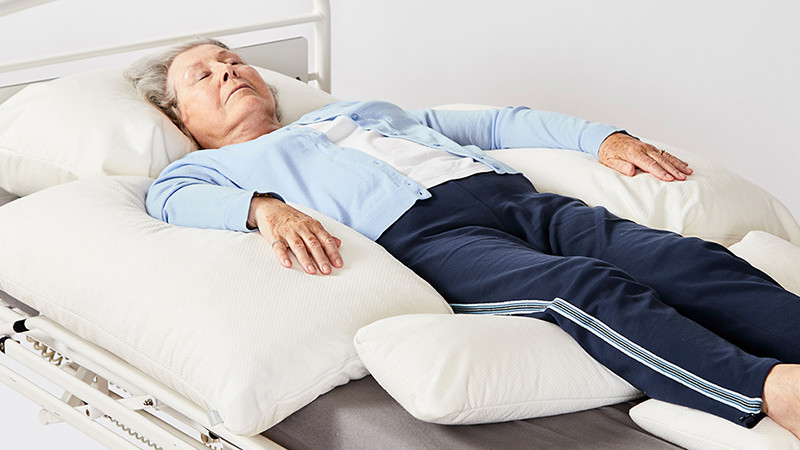

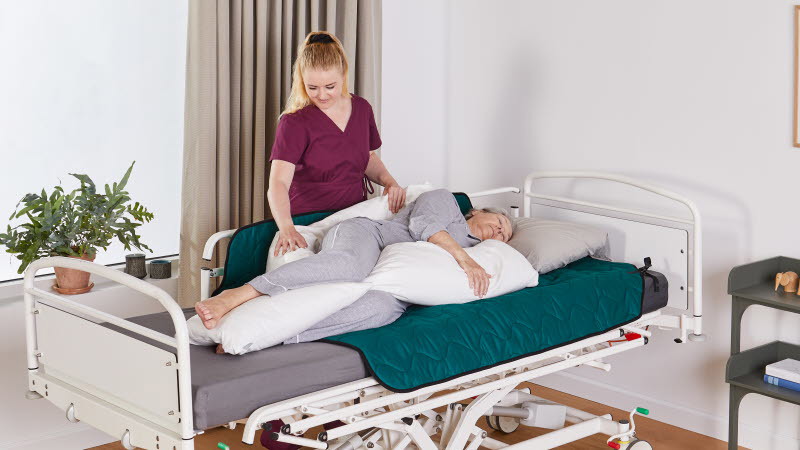

Anxiety and agitation – Increase relaxation
Enclosing a person with positioning cushions stimulates the sense of touch, and reduces anxiety, agitation, and anger, which can benefit daily co-operation with the carer.
A clear body awareness increases relaxation, focus clarity of thoughts, positive energy, and a calm feeling. This is an optimal therapeutic tool for those with self-harm, distressed or combative behavior, or those who are triggered by seemingly small stimuli in their environment, e.g. accidental or unwanted touch.
Facilitating respiration by supported positioning
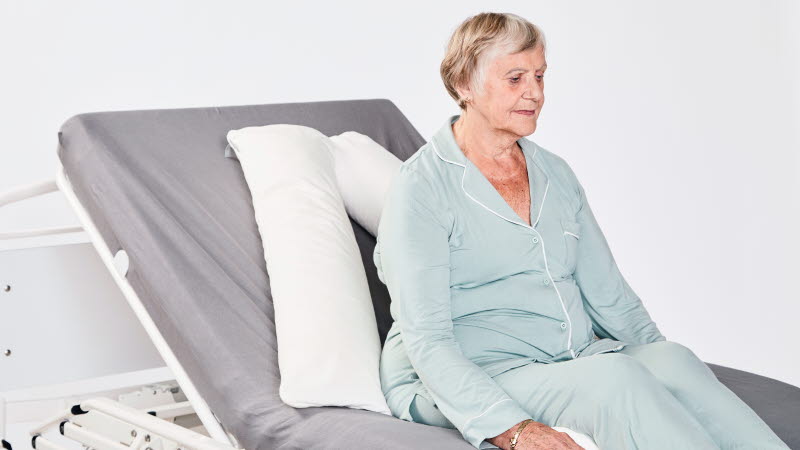
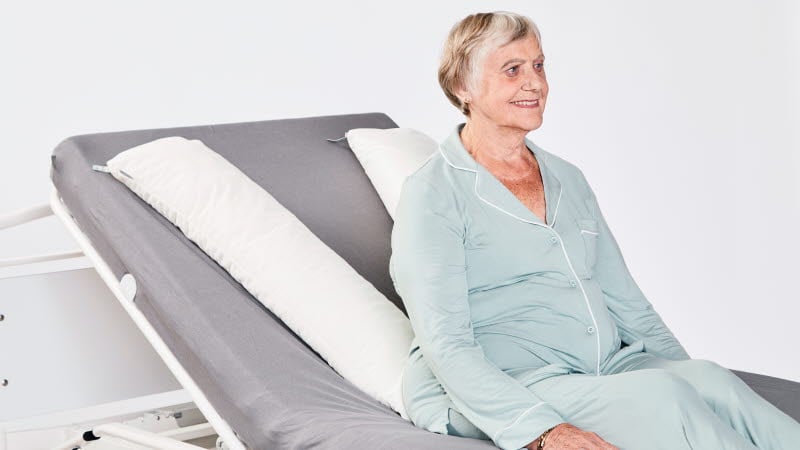
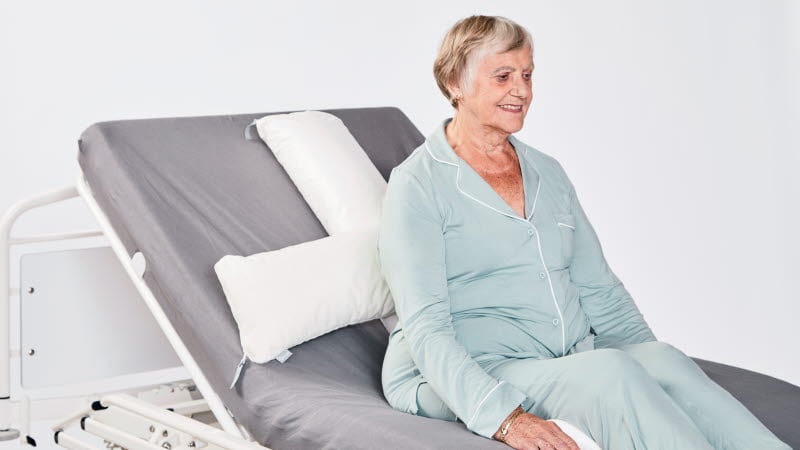
If a person with respiratory issues is confined to bed, they must be positioned to facilitate comfortable breathing. The usual procedure is to elevate the head to 30° in the supine position, but to reduce secretions from the lungs, it is also important to reposition them on both sides. This encourages good respiration in the lung region facing away from the mattress.
However, some individuals may become anxious when positioned on their side. In these cases, using AVT placement of two cushions may be the solution. See below for a further description of the lung-open position with cushions.
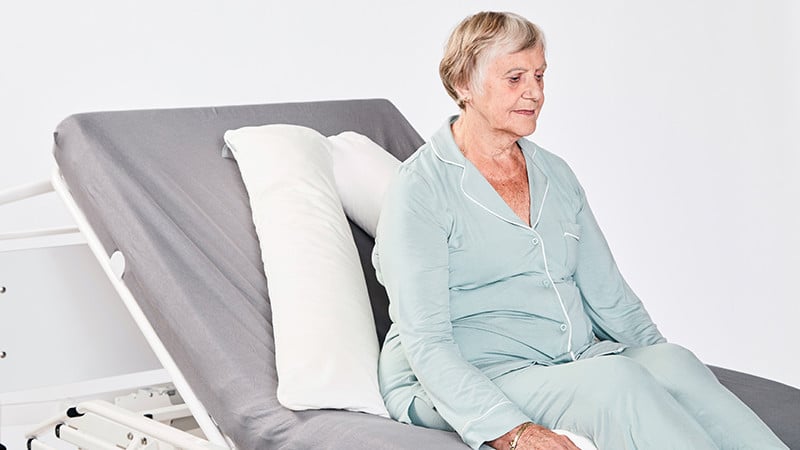

The AVT Method
By varying the position of two LeanOnMe Basic L´s, the cushions may support respiration. The method is named AVT because the letters symbolize how the cushions are placed. This can prevent pneumonia and improve lung function because the positions expand different parts of the lungs.
Videos
Immedia LeanOnMe positioning cushions
Soft, relieving and easy-to-use positioning cushions
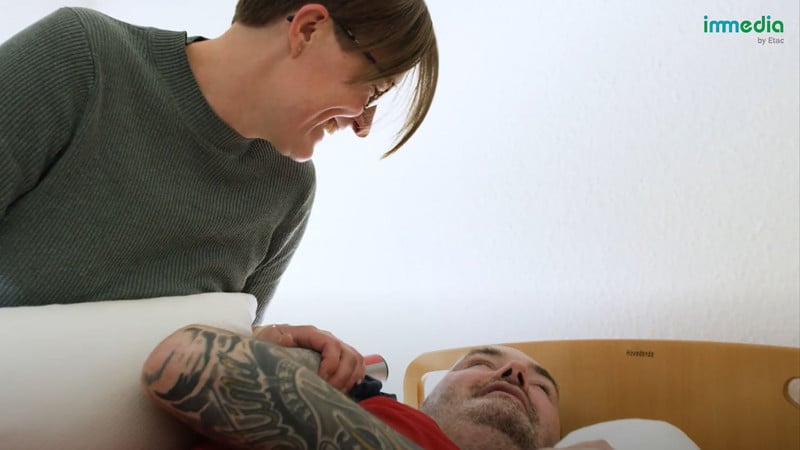
Immedia LeanOnMe Roll
Using the Roll cushion for lateral positioning
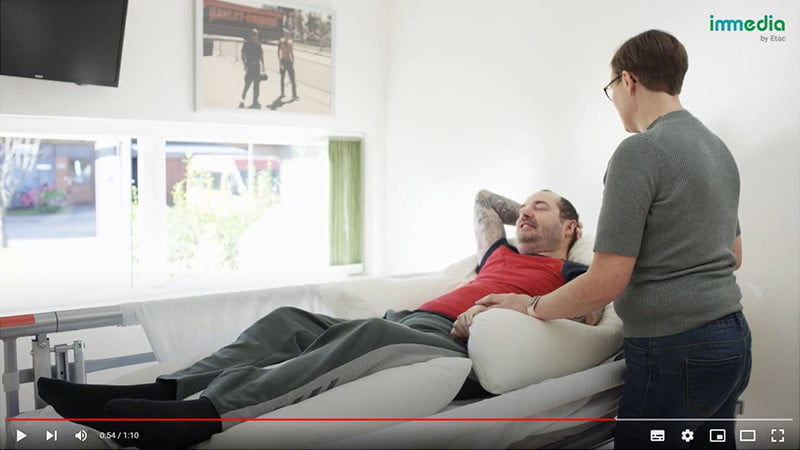
Immedia LeanOnMe positioning cushion
Using the cushions for supine positioning
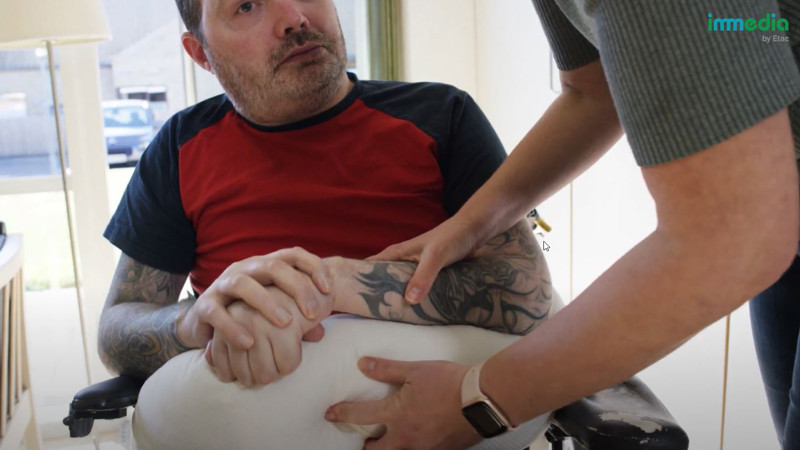
Immedia LeanOnMe positioning cushions